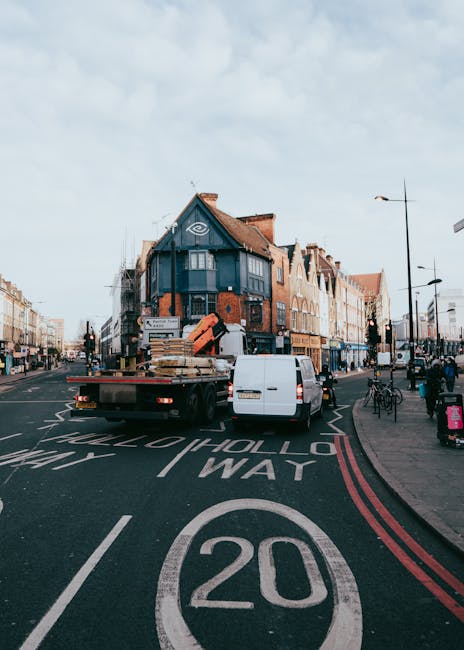
SW2 Flat Removals Guide for Coldharbour Lane Residents
Moving out of a flat on Coldharbour Lane can feel straightforward on paper and oddly chaotic in real life. One minute you are counting boxes, the next you are staring at a narrow staircase, a tight parking space, and a sofa that suddenly seems to have doubled in size. This SW2 flat removals guide for Coldharbour Lane residents is here to make the process feel manageable, whether you are moving a studio, a top-floor conversion, or a busy family flat with more stuff than you remember owning.
You will find practical advice on planning, access, packing, timings, and choosing the right move setup for your building. There is no fluff here. Just the kind of local, real-world guidance that helps you avoid the usual moving-day stress. And yes, we will cover the bits people often forget until 7:30 on a damp London morning.
Why SW2 flat removals guide for Coldharbour Lane residents Matters
Flat removals in SW2 are rarely just about lifting boxes into a van. Coldharbour Lane has its own moving-day personality: busy roads, mixed housing stock, shared entrances, stairs that seem to turn forever, and the occasional awkward loading spot that makes you question your life choices. If you ignore those details, the whole move can become slower, more expensive, and a lot more tiring than it needed to be.
This guide matters because flat moves are usually less forgiving than house moves. You have less room to stage items, less flexibility around neighbours, and fewer easy routes for carrying furniture. In a flat, a small oversight can ripple through the whole day. Missed parking? Delayed lift? Unpacked kitchen boxes still in the hall? It all adds up.
For Coldharbour Lane residents, the real value of planning is not just convenience. It is protecting your time, your belongings, and the sanity of everyone involved. To be fair, that last one is worth a lot on move day.
Expert summary: The smoother flat removals usually come from boring but essential preparation: clear access, correct van size, good packing, realistic timing, and a mover who understands London flats rather than just general removals.
If you are comparing service options, a good starting point is the company's broader flat removals service and its general removals offering. Those pages help you understand the scope of what can be arranged before you commit to a move plan.
How SW2 flat removals guide for Coldharbour Lane residents Works
At its simplest, a flat removal is a structured transfer of everything you need from one apartment to another. In practice, it is a sequence of small decisions: what gets packed first, what needs dismantling, which items are fragile, where the van can stop, and how the team gets everything from flat to vehicle without blocking the stairwell or irritating the downstairs neighbour who works nights.
The process usually starts with an assessment of the property and the access. That means looking at stairs, lifts, hallway widths, parking, loading points, and the amount of furniture involved. A one-bedroom move with mostly soft items is very different from shifting a two-bed flat with wardrobes, a dining table, and a piano nobody mentioned until the last minute. Yes, that happens.
Once the move is scoped, the packing and transport plan is set. Some residents prefer to do all packing themselves and only use transport. Others want a fuller service with packing and boxes support or even packing and unpacking services. The right choice depends on time, budget, and how much you want to be doing tape-and-cardboard gymnastics at 10 p.m. the night before.
In many cases, a smaller vehicle or a flexible crew approach works well for SW2 flats, especially where parking is tight or the move needs a bit of agility. If the job is simple, a man and van style service may be enough. If there is more volume or furniture handling involved, a fuller removal services setup is often the calmer choice.
Key Benefits and Practical Advantages
A well-planned flat removal is not just easier. It is safer, faster, and usually less disruptive to everyone around you. That matters in a place like Coldharbour Lane, where neighbours, foot traffic, and building layouts can all affect how your day unfolds.
- Less physical strain: You avoid repeated carrying, awkward twisting, and those nearly-comical moments where two people try to turn a sofa on a staircase that clearly was not designed for sofas.
- Better protection for belongings: Proper wrapping and packing reduces chips, scratches, and the mystery dents that somehow appear on the journey.
- Cleaner scheduling: When access is thought through early, the move is less likely to drift into the afternoon and start eating into your evening.
- Fewer neighbour issues: Good timing and tidy loading help keep communal spaces calm. People remember a smooth move. They also remember a noisy one, unfortunately.
- More accurate costs: When the job is scoped properly, pricing tends to be more predictable. If you want a clearer sense of what affects cost, the pricing and quotes page is a useful place to start.
There is also peace of mind in knowing the move is being handled within a sensible framework. For many residents, that is the difference between a tense scramble and a controlled handover of one flat life into another.
Who This Is For and When It Makes Sense
This guide is for anyone moving out of, into, or between flats in the SW2 area near Coldharbour Lane. That includes renters ending a tenancy, first-time movers, sharers splitting up a household, students, young professionals, and families relocating to a different part of London. It also helps landlords or property managers who want to understand what to expect on changeover day.
It makes sense to plan more carefully if any of the following apply:
- your flat is on an upper floor with no lift
- parking near the building is limited
- you have large furniture or awkward items
- you are moving on a weekend or month-end date
- you need same-day turnaround between properties
- you are coordinating with cleaners, key handover, or inventory checks
Students and sharers often underestimate how much coordination a flat move needs. One person has the kettle, another has the Wi-Fi router, and suddenly nobody knows whose box contains the cutlery. If that sounds familiar, a smaller move can still benefit from a proper structure. In some situations, student removals are a sensible fit because they keep the process lean without making it feel like a grand expedition.
For larger domestic moves, you may also want to compare options with home moves or even house removals if the job has grown beyond the original "just a few boxes" description. We have all seen that happen.
Step-by-Step Guidance
A sensible flat removal follows a clear sequence. Keep it simple, and you will save yourself a lot of rushing around later.
-
Take stock of everything in the flat.
Walk room by room and list what is moving, what is staying, and what needs to be disposed of. Be honest here. That old chair in the corner is not moving because it is "vintage"; it is moving because nobody has dealt with it yet.
-
Check access before booking.
Look at stairs, lift size, entry codes, parking rules, and the safest loading point. On Coldharbour Lane, this step can save more time than anything else.
-
Choose the right moving method.
If you only have a few boxes and one or two items of furniture, a flexible vehicle option may work. For larger or more delicate moves, a more complete removal setup is usually better. If you are comparing transport choices, man with van and moving truck options can help frame the scale of the job.
-
Pack with a room-by-room system.
Kitchen together, bathroom together, documents together, essentials together. Label the boxes clearly. It sounds obvious, yet people still end up hunting for a phone charger in a box marked "misc."
-
Protect furniture and fragile items.
Use blankets, bubble wrap, sturdy boxes, and stretch wrap where appropriate. Special items may need extra care, and furniture removals support is useful when you have heavy or high-value pieces to protect.
-
Set a realistic move-day timeline.
Give yourself enough time for last-minute checks, dismantling, and key handover. Flat moves tend to run best when the schedule has a little breathing room, not when every five minutes is already spoken for.
-
Prepare a survival box.
Pack tea, coffee, mugs, phone chargers, medication, toilet roll, snacks, and any documents you need on arrival. That box is the one you will care about most at 8 p.m. after a long day.
If you are unsure whether you need extra capacity, a removal van can be a practical middle ground for flat jobs that are bigger than a car load but not quite full-house scale.
Expert Tips for Better Results
Here is where the small wins matter. In our experience, the move becomes much easier when you stop thinking only about the van and start thinking about flow: how items leave the flat, where they wait, and how the day stays organised.
- Pack by weight, not just by room. Heavy books need smaller boxes. Otherwise, you end up with a box that feels like it has been filled with wet concrete. Nobody wants that.
- Keep hallways clear. It makes carrying safer and reduces the chance of scuffs on walls or door frames.
- Use colour or number codes. A red label for kitchen, blue for bedroom, and green for essentials is simple, fast, and surprisingly effective.
- Measure awkward items. If the wardrobe was a tight fit going in, it will be a tight fit going out. Usually tighter, if anything.
- Plan for weather. London rain has a habit of appearing exactly when boxes are being carried. A few protective covers and a dry landing spot help a lot.
- Tell the moving team about access quirks early. Low ceilings, basement steps, shared entrances, and narrow turns all change the working plan.
One small but useful habit: keep your keys, ID, and move-day paperwork in one zipped pouch. Sounds almost too basic to mention, but on a busy morning basic is beautiful.
If you are hiring a team, it is worth checking a company's broader standards too. Pages like insurance and safety and health and safety policy help you understand how seriously they treat the practical side of removals.
Common Mistakes to Avoid
A lot of moving-day stress comes from the same few mistakes, repeated in slightly different ways. Some are tiny. Some are expensive.
- Leaving packing too late: The final evening becomes a blur of tape, missing labels, and half-dismantled furniture.
- Underestimating access issues: A move can fall behind quickly if the van cannot stop close enough to the entrance.
- Choosing the wrong vehicle size: Too small and you make extra trips. Too large and you may be paying for space you do not need.
- Forgetting building rules: Some flats require lift bookings, quiet hours, or advance notice for moving activity.
- Not separating essentials: If the first thing you need on arrival is buried under ten boxes, the first hour feels longer than it should.
- Ignoring disposal needs: Old furniture, broken items, and unwanted clutter should be sorted out before the move, not during it.
There is also a subtle one: people often pack every box as if it were going into storage forever. That is not always helpful. For a flat removal, easy access matters. The lighter and more sensible the packing, the less likely the day is to grind to a halt.
If you need help removing bulky items before or after a move, furniture pick up and furniture removals can be useful complements to a flat move plan.
Tools, Resources and Recommendations
You do not need fancy equipment to move a flat well, but a few basic tools make life much easier. Think of this as the practical kit that saves your back and your patience.
- Strong boxes: Use a mix of small, medium, and a few larger boxes. Small boxes are best for books and heavy items.
- Packing tape and a dispenser: A decent tape gun sounds trivial until you are sealing box number 18 and the tape keeps folding back on itself.
- Marker pens: Label both the top and at least one side of each box.
- Furniture covers or blankets: Useful for sofas, tables, and wardrobes that need extra protection.
- Tools for dismantling: Keep screwdrivers, Allen keys, and small bags for bolts together so they do not vanish into the sofa cushions.
- Storage option: If move-in and move-out dates do not line up perfectly, short-term storage can be a lifesaver. The storage service is worth considering for interim gaps.
For residents who want a more hands-off experience, combining transport with packing and unpacking services can shave a lot of pressure off the day. It is not always necessary, but when you are juggling work, children, or a same-day handover, it can be the difference between coping and spiralling a bit.
If you are comparing move types, same day removals can be a useful option when deadlines are tight, although it is still better to plan ahead if you can. Spontaneity is charming; moving house, less so.
Law, Compliance, Standards, or Best Practice
Flat removals involve more than lifting and driving. There are practical standards and expected duties that matter, even if nobody wants to read a dry rulebook over breakfast.
In the UK, movers and residents should treat handling, access, and safety with care. That includes safe lifting, tidy routes, sensible loading, and clear communication about hazards. Shared buildings may also have their own rules about move times, lift use, or protecting communal areas. These are often set by the building manager or landlord rather than by some universal rule, so it is worth checking early.
Insurance is another important point. If you are moving valuable items, ask what cover is in place and what exclusions apply. You do not need a lecture on policy jargon; you need a simple answer about what is protected and what is not. That is exactly why trustworthy providers make their approach clear, often through pages such as insurance and safety and terms and conditions.
Best practice also includes fair handling of payments, clear quotes, and transparent expectations. A move should not be full of surprise fees hidden in the fine print. If you are checking the company's standards before booking, payment and security and about us are sensible pages to review.
One more thing: sustainability. Not every move needs a bin bag full of waste at the end. Reuse boxes where possible, recycle packing materials responsibly, and think carefully before throwing out items that could be reused. The recycling and sustainability page is relevant if you want your move to be a little cleaner and less wasteful.
Options, Methods, or Comparison Table
Different flat moves need different approaches. The right choice depends on volume, access, timing, and how much help you want on the day.
| Option | Best for | Advantages | Watch out for |
|---|---|---|---|
| Man and van | Small to medium flat moves, quick local jobs | Flexible, efficient, often a good fit for lighter loads | May not suit larger furniture sets or more complex access |
| Full removals service | One- to three-bed flats with more furniture or fragile items | More support, better coordination, less lifting pressure on you | May feel like more than you need for very small moves |
| Van hire only | People with friends, family, or a helper already lined up | Can be cost-effective if you are organised | More work, more risk, and you are responsible for the heavy lifting |
| Storage plus move | When dates do not align or you are downsizing | Useful for bridging gaps and reducing pressure | Requires extra planning and an extra handover step |
If you are still unsure which route suits your flat, a discussion with a provider of removal companies can help you judge the scale properly. In a lot of cases, the best answer is not the biggest service. It is the one that fits the property and the deadline.
Case Study or Real-World Example
Take a typical Coldharbour Lane flat move: a second-floor two-bed apartment, no lift, one sofa, a bed frame, a dining table, six book boxes, kitchen gear, and a few plant pots that seemed like a harmless idea until you had to carry them downstairs.
The resident starts by packing a week ahead instead of the night before. The kitchen is packed first, with essentials kept separate. Furniture is dismantled the evening before the move. Building access is checked, and the van is arranged so it can stop as close as possible to the entrance without blocking traffic. Nothing dramatic. Just sensible.
On moving day, the team knows about the stairs, the narrow landing, and the awkward turn at the first floor. That means fewer pauses and less reshuffling. The resident keeps a small essentials bag with chargers, medication, keys, and a kettle. The first hour at the new place is calmer because the things they really need are easy to reach.
The result? The move still feels like a move. Let's not pretend it is a spa day. But it is finished on time, nothing gets damaged, and the resident does not spend the evening surrounded by chaos and cardboard dust. That is a win.
For residents with similar setups, pairing a straightforward local move with man with a van support can be enough. For heavier or more complex jobs, a broader removals arrangement is usually the calmer path.
Practical Checklist
Use this checklist in the final week before your move. It is simple, but simple is what works when you are busy.
- Confirm your move date and time
- Check parking and access near the building
- Tell the mover about stairs, lifts, or narrow hallways
- Pack non-essentials first
- Label all boxes clearly
- Dismantle large furniture where needed
- Keep screws, bolts, and fittings in labelled bags
- Set aside valuables and important documents
- Prepare a box of essentials for the first night
- Protect floors and communal areas if required
- Arrange disposal or collection of unwanted items
- Check your keys, chargers, and travel plans
If your move involves a lot of carry distance or a tricky access point, it is worth asking about a removal truck hire setup or a larger vehicle option. Sometimes the right answer is simply giving the job enough room to breathe.
Get a free quote today and see how much you can save.
Conclusion
Flat removals in Coldharbour Lane do not need to be dramatic, even if the stairs occasionally suggest otherwise. When you plan access, choose the right move method, pack with a bit of structure, and keep the essentials close, the whole experience becomes much more manageable.
The big lesson from this SW2 flat removals guide for Coldharbour Lane residents is fairly simple: do the small things early, and the move-day pressure drops fast. That leaves you with more energy for the actual handover, the new keys, and the first proper cup of tea in the new place.
If you are ready to take the next step, choose the service level that matches your flat, your timing, and your belongings. A careful move is a calmer move. And honestly, after all the boxes, that calm feels pretty good.
Frequently Asked Questions
What makes flat removals in Coldharbour Lane different from other SW2 moves?
Flat removals here are often shaped by access, parking, stairs, and shared entrances. Even a short local move can take longer if the building is awkward or the loading space is limited, so planning matters more than people expect.
How far in advance should I book a flat removal?
As early as you can, especially if you are moving at month-end, on a weekend, or during a busy period. If your dates are tight, a provider offering same day removals may be worth asking about, but advance booking is still better.
Do I need a full removals service or just a man and van?
That depends on volume, furniture size, and access. A smaller flat with a lighter load may suit man and van, while a larger or more complex move usually benefits from a fuller service.
What should I pack separately for moving day?
Keep essentials separate: documents, keys, medication, chargers, toiletries, tea or coffee, snacks, and a change of clothes. If you can function for the first evening without opening ten boxes, you have done it right.
How do I protect furniture in a flat move?
Use padding, covers, and careful dismantling where needed. Extra care is especially useful for bulky items, which is why many residents look at furniture removals support for the heavier pieces.
What if my new place is not ready on moving day?
Short-term storage can bridge the gap if dates do not line up neatly. That is common in London, and it is better to plan for it than to scramble at the last minute.
Can I move bulky items from a flat without damaging the hallway?
Yes, but it helps to clear a route, use suitable protection, and move slowly around corners. Communal areas are easier to keep tidy when the team knows about the layout in advance.
Are there any legal issues I should think about?
You should check building rules, access arrangements, and any relevant tenancy obligations. There is usually no single universal flat-move rule, but good practice and clear communication reduce the risk of problems.
What if I have too much stuff for one van?
That is when a larger vehicle or fuller removal setup is worth considering. If you are unsure, compare options with removal van and moving truck style solutions to match the load more accurately.
How can I keep moving costs under control?
Pack early, reduce clutter, avoid extra trips, and be clear about access. Transparent planning also helps when you are checking pricing and quotes, because the estimate is more likely to reflect the real job.
What if I need help with packing as well as transport?
That is very common. Many residents combine transport with packing and boxes or full packing and unpacking services to reduce stress and speed things up.
Is it worth using storage for a flat move?
Yes, if your dates do not align or you are downsizing. Storage is also useful if you want to move in stages rather than all at once. It can save a lot of pressure, frankly.
How do I choose a reliable removal company?
Look for clear communication, transparent pricing, sensible safety information, and a service that fits your property type. Pages like about us, insurance and safety, and terms and conditions can help you judge professionalism before booking.
Can I combine flat removals with disposal of unwanted items?
Often, yes. If you have furniture or bulky items you no longer want, services such as furniture pick up can help clear space before the move, which makes the packing stage much easier.